A Notability Assessment Company That Examines More Than Surface-Level Visibility

Our Notability Assessment Company studies whether published coverage has enough depth, independence, and editorial value to support a standalone topic. We review how a subject is discussed across secondary sources, how much of the coverage is actually about the topic, and whether the material reflects meaningful attention rather than scattered mentions. That evaluation helps separate public visibility from genuine article viability.

Our Wikipedia notability assessment services also examine source reliability, editorial distance, and the overall balance of the coverage profile. That includes identifying weak evidence such as self-controlled material, PR-driven references, and shallow citations that do not carry enough weight on their own. The result is a clearer view of whether the subject appears ready, borderline, or still underdeveloped from a Wikipedia standards perspective.

Notability assessment services

Transparent Wikipedia Notability Assessment Help Before You Move Forward

We help you understand where your subject stands, what gaps may still exist, and whether the available coverage supports moving ahead with clarity rather than uncertainty.

CTA

A Brief Overview of How Our Notability Review Process Works

icon

Source Discovery

We begin by collecting all available coverage tied to the subject, including news articles, features, interviews, profiles, and industry references. This helps us see the full source landscape before any judgment is made.

icon

Source Screening

Each source is reviewed for reliability, editorial quality, and relevance to the subject. We separate strong coverage from weak references, paid placements, reused announcements, and material that carries little value in a serious Notability Assessment in Wikipedia.

icon

Independence Review

We check whether the coverage comes from sources that are genuinely independent of the subject. This matters because source ownership, brand control, and promotional influence can weaken Wikipedia Page Notability even when the subject appears visible online.

icon

Coverage Depth Analysis

We look at how much of the source is truly about the subject and whether the discussion goes beyond passing mention. A topic may appear in many places and still fall short if the coverage lacks depth, detail, or meaningful editorial attention.

icon

Guideline Matching

Once the sources are screened, we compare the evidence against the notability standards most relevant to the subject type. This helps determine whether the case looks clearly viable, borderline, or still too weak to support a standalone article.

icon

Recommendation and Next-Step Direction

The final stage is a practical finding, not a vague opinion. We explain where the subject stands, what weaknesses still exist, and whether moving forward would benefit from stronger sourcing, a delayed timeline, or direct Wikipedia Notability Assessment Help.

Why Our
Wikipedia Notability Company
Is Ideal for Guaranteed Result

A strong notability review depends on more than finding a few published links. It requires careful reading, source judgment, and a clear understanding of how Wikipedia evaluates independence, coverage depth, and article viability. Our Wikipedia Notability Company approaches each case with that standard in mind, giving subjects a more realistic view of where they stand before larger decisions are made.

Our team works with the kind of caution this stage requires. We do not treat every mention as proof, and we do not confuse online visibility with true article readiness. When clients Hire Wikipedia notability experts through our service, they receive a measured review that identifies weak points, explains source gaps, and helps them understand whether the topic appears ready now or needs stronger public documentation first.

Discover The Signals That Shape Article Readiness on Wikipedia

Our review focuses on the core signals that shape article viability on Wikipedia. We examine the strength of the available evidence, the credibility of the sources, and the overall readiness of the topic before any drafting is considered.

Why Choose Our Wikipedia Notability Assessment Help for Wikipedia Pages

With our tailored approach, we ensure your topic is ready for a successful Wikipedia page submission, minimizing risks and maximizing your chances of acceptance.

icon

Efficient, Time-Saving Assessments

Our notability assessment saves time by checking Wikipedia eligibility upfront, helping you avoid content likely to be rejected.

icon

Expertise in Notability Guidelines

We help avoid flags and rejections by editing with accuracy, neutrality, and full compliance with Wikipedia’s guidelines.

icon

Lower Risk of Rejection or Deletion

Our notability review checks source reliability, coverage depth, and independence to reduce rejection or deletion risk.

icon

Highly Skilled Writers Team

Our expert Wikipedia writers craft accurate, neutral, well-sourced pages that follow editorial and notability guidelines.

Work With Us
Keep the Entire Review
Process Clear and Targeted

A notability review should not leave you with technical findings and no direction. Our team walks you through the outcome in plain language, explains what the result actually means, and helps you understand the most sensible next step. That gives you a more practical experience, stronger clarity around the decision, and less uncertainty about whether to move forward, wait, or improve the public record first. It also helps you see which parts of the review carry real weight and which concerns should not be overestimated. The result is a clearer, steadier process from assessment to recommendation, with fewer assumptions and more informed decisions.

Delivering The Best Writing Services Online

Get In Touch Now!

The Work Speaks for Itself

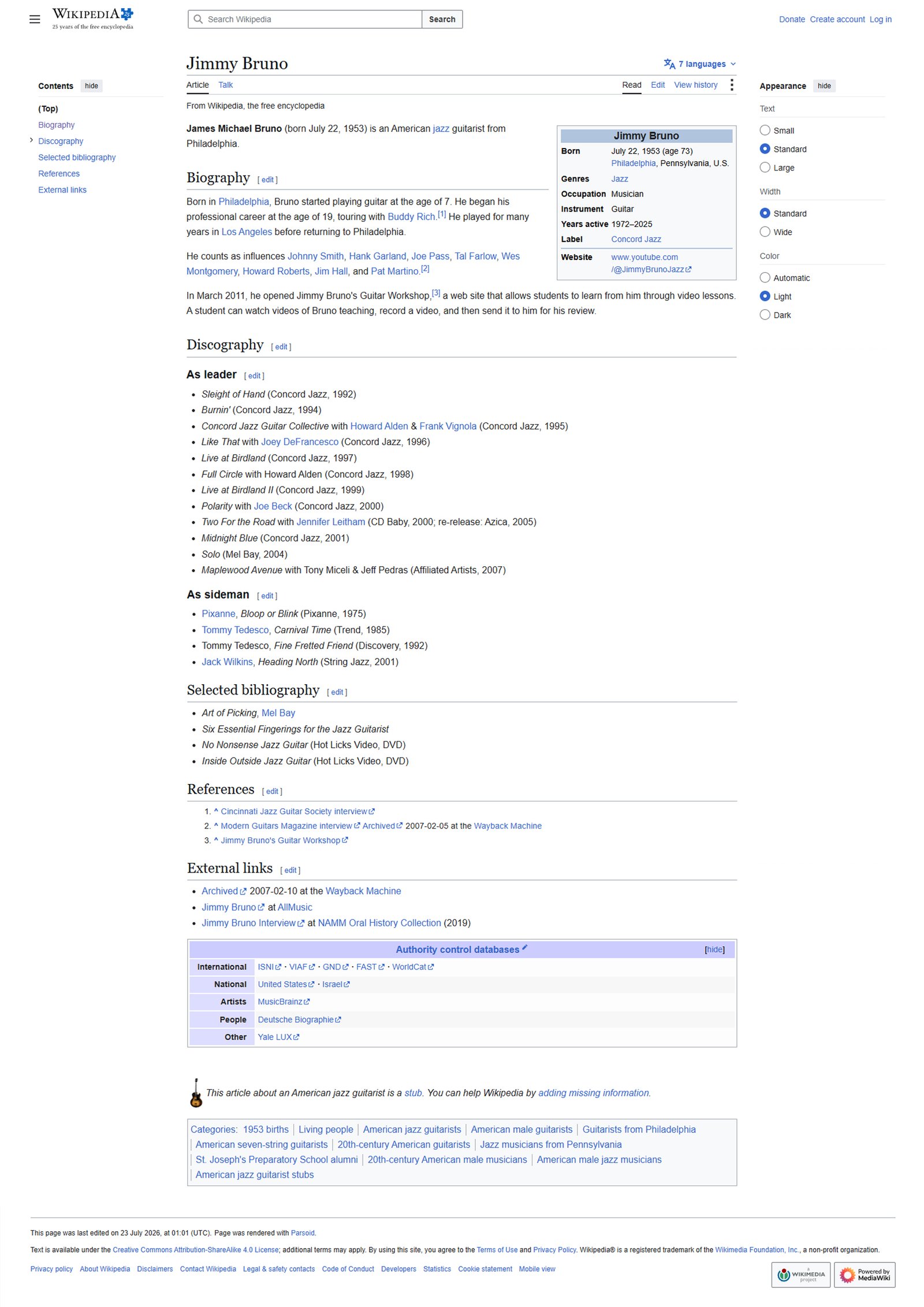
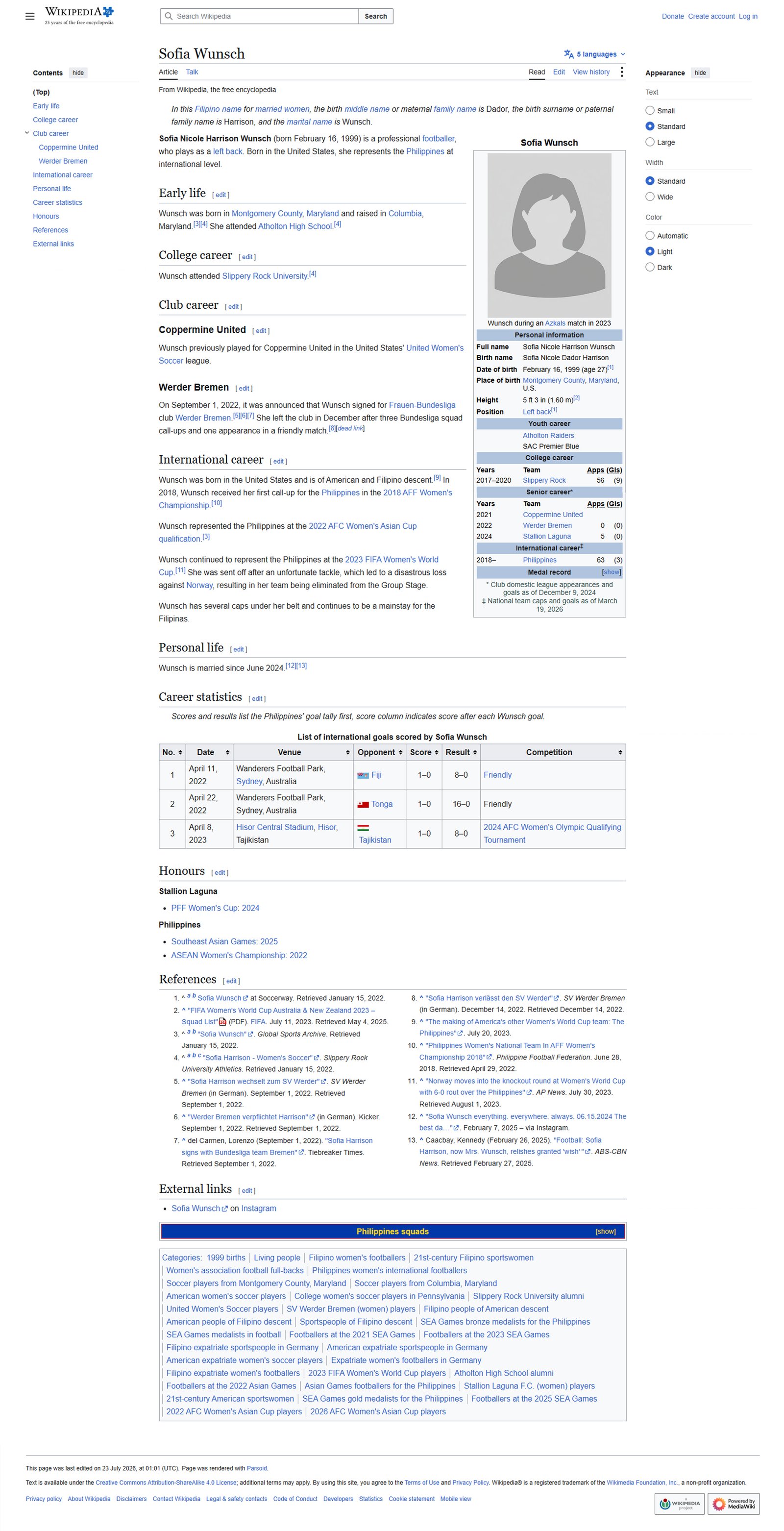
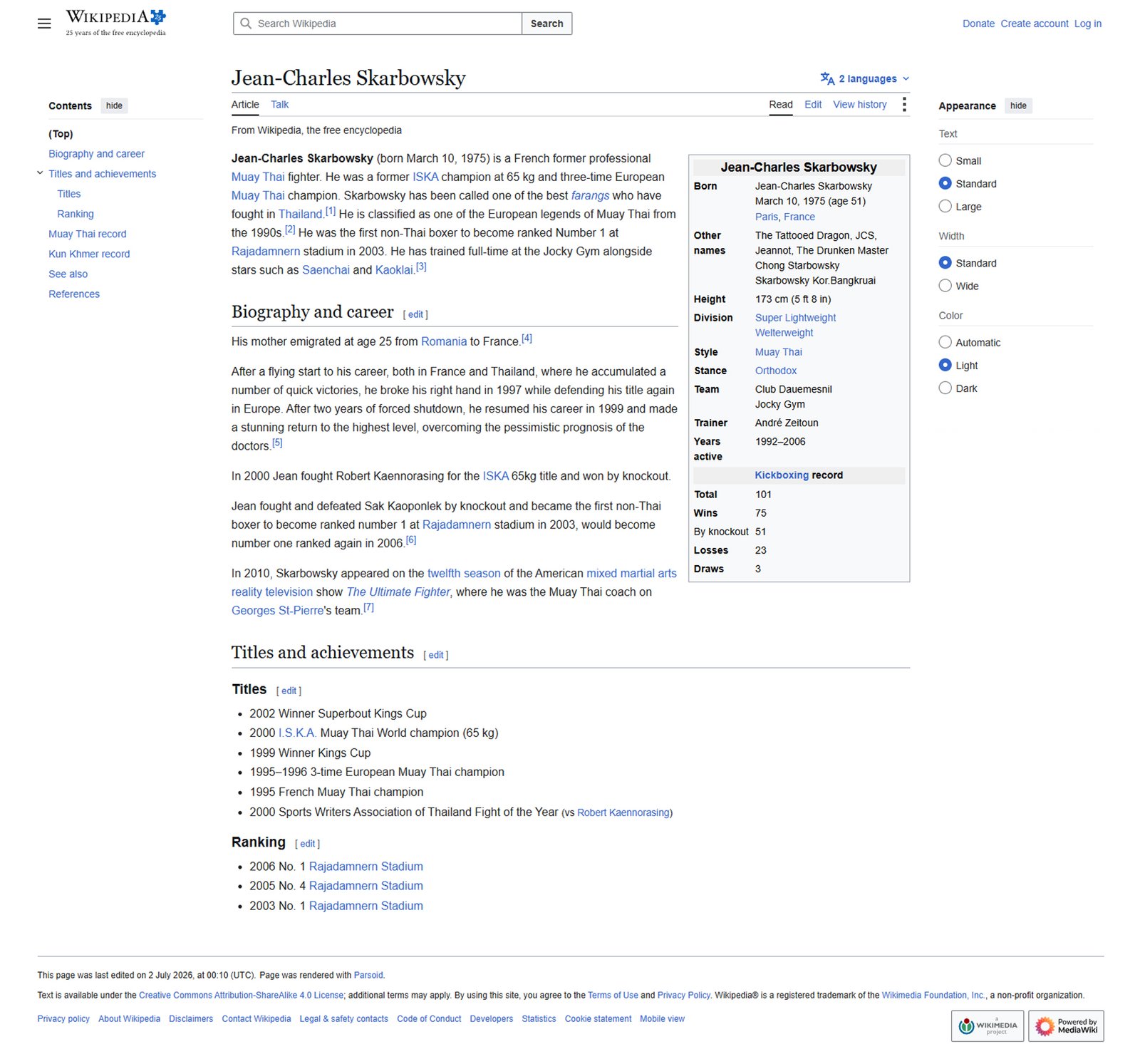
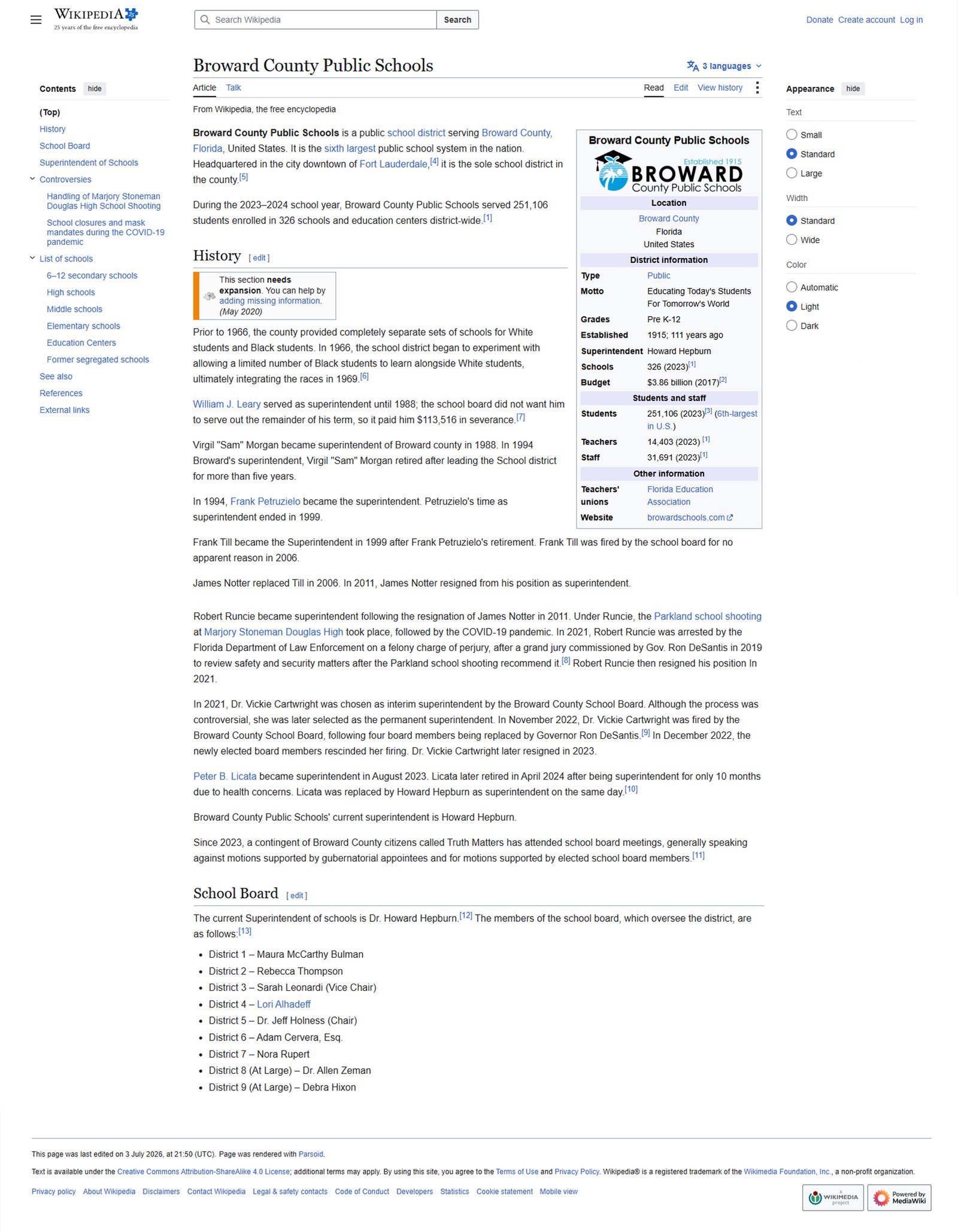
Explore our portfolio to see how our professional Wikipedia services agency delivers structured, compliant, and high-quality pages. Each project reflects the strength of our professional wiki services.

Sample 1

Wiki Writing

Sample 2

Wiki Writing

Sample 3

Wiki Writing

Sample 4

Wiki Writing

What Clients Say About the Results of Our Notability Assessment Services

Measured Experience Behind
Our Notability Assessment Work

7 Years

Review Experience

1400+

Eligibility Cases Reviewed

1000+

Clients Guided

80+

Global Assessment Reach

faqs

Questions People Ask Before Seeking an Eligibility Review

A topic is usually in a better position for a Wikipedia article when there is substantial discussion about it in sources that are both reliable and separate from the subject itself. The coverage should focus on the topic in a meaningful way, not just include a brief mention or a passing reference. The real question is not whether the subject is visible online, but whether the public record is deep enough to justify a standalone entry. A proper review looks at the quality of that record and whether it supports article-level treatment.

These sources may help confirm simple facts, though they are generally not strong enough to establish article eligibility on their own. Material controlled by the subject is limited in value because it does not provide outside editorial distance. A stronger source profile usually comes from publications that are independent, professionally edited, and willing to cover the topic on their own terms. A careful review separates basic reference material from the kind of coverage that can actually support a stronger case for article consideration.

Yes, that can happen. A subject may fall short at one stage and become far stronger later if the public record develops in a more substantial way. New reporting, broader discussion, or deeper third-party coverage can change the picture over time. A weak result does not always mean permanent ineligibility. It often means the case is underdeveloped at the moment. A proper review helps identify whether the subject looks ready now, needs more time, or would benefit from stronger outside documentation before another decision is made.

No. Online attention, audience size, search activity, and social visibility do not automatically support a standalone article. A subject can seem well known and still have a weak eligibility profile if the available coverage lacks depth or independence. The stronger question is whether outside publications have discussed the topic in a serious, sustained, and editorially credible way. That is what gives a subject a firmer foundation for article consideration. Public attention can help visibility, but it does not replace the need for a solid source base.